Risks to review
- Inventory and lot damage
- Garage operations and customer vehicles
- Test-drive and commercial auto liability
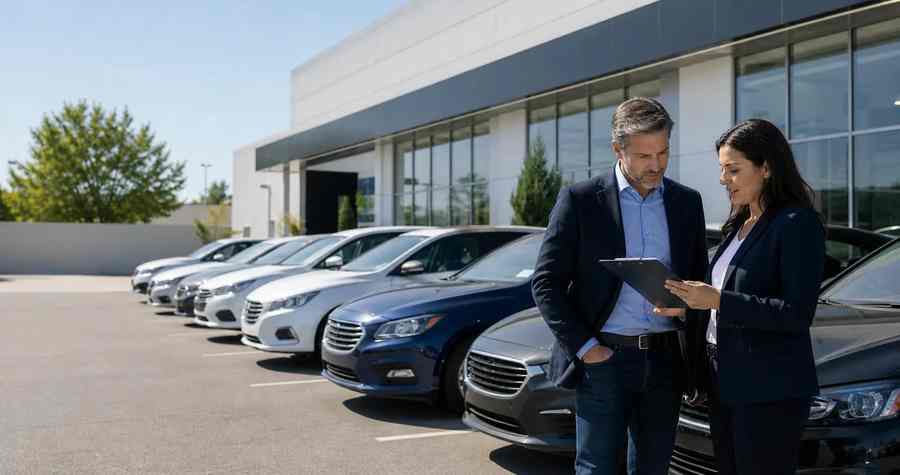
Auto dealerships combine retail, service, inventory, and road exposure—requiring coverage designed around the whole operation.
Dealer-focused coverage for inventory, customer vehicles, test drives, and operations. Cox & Associates helps organize coverage around the way your operation actually works.
Different business models create different property, liability, people, vehicle, product, and income exposures. Choose the operation closest to yours for a focused starting point.
Coverage planning for independently owned used vehicle dealerships, inventory, test drives, financing, service, and customer transactions.
Explore this operation →Coordinated protection for franchised sales, service, parts, customer vehicles, inventory, facilities, employees, and manufacturer requirements.
Explore this operation →Insurance planning for wholesale transactions, auctions, transport, off-site inventory, dealer plates, and limited retail activity.
Explore this operation →Coverage planning for motorcycles, ATVs, recreational vehicles, watercraft, inventory, demonstrations, service, and specialty property.
Explore this operation →Protection for collision repair, painting, customer autos, tools, equipment, completed work, towing, and premises risk.
Explore this operation →Coverage planning for repair garages, service bays, customer autos, road tests, tools, parts, and completed operations.
Explore this operation →Vehicle inventory can change quickly and concentrate millions of dollars outdoors. Start with the DOL coverage structure, then test the reported or carried limit against peak values and any applicable coinsurance provision.
Review qualifying inventory, covered locations, valuation, reporting, causes of loss, hail and wind terms, transit, fraud exclusions, and catastrophe deductibles.
Explore DOL Insurance →See how an inadequate limit can reduce a covered partial loss, then use the interactive dealership example to test values, limits, requirements, and deductibles.
Calculate the illustrative penalty →Review the paperwork, property, inventory, vehicle, fraud, and customer-auto issues that can materially change a dealership insurance program.
Coverage planning for allegations involving title work, odometer statements, financing documents, disclosures, and other dealership administrative services.
Read the dealer guide →A dealership-focused guide to coinsurance requirements, inventory and property values, reporting provisions, and how underinsurance can reduce a covered claim.
Read the dealer guide →Physical damage coverage planning for dealership-owned vehicle inventory held for sale, including weather, theft, collision, locations, valuation, reporting, and catastrophe deductibles.
Read the dealer guide →Compare legal liability, direct primary, and direct excess structures for customer vehicles in a dealership's care, custody, or control.
Read the dealer guide →Risk-control and insurance considerations for dealer plates, customer test drives, employee use, demonstrators, and vehicle movement.
Read the dealer guide →Coverage and control considerations for fraudulent vehicle acquisition, title schemes, identity theft, forged payments, and social engineering.
Read the dealer guide →Environmental insurance planning for dealership service bays, body shops, tanks, drains, wash areas, waste handling, vehicle fluids, and off-site disposal.
Read the dealer guide →Event-triggered hail protection designed around objective weather measurements and a pre-agreed payout schedule for exposed dealership inventory.
Read the dealer guide →Property insurance planning connects physical assets, current replacement costs, income, and a realistic recovery timeline.
View the industry guide →General liability planning starts with how customers, vendors, tenants, and the public interact with the operation.
View the industry guide →Workers’ compensation planning should reflect actual duties, payroll, locations, supervision, and workplace controls.
View the industry guide →Commercial auto planning matches vehicles, drivers, use, radius, and contracts to the business’s real road exposure.
View the industry guide →Umbrella and excess planning tests whether underlying liability limits are adequate for a severe claim or contractual obligation.
View the industry guide →Flood planning evaluates building, contents, elevation, prior loss, financing requirements, and available FEMA, private, or excess options.
View the industry guide →Cyber insurance planning connects an operation's data, systems, vendors, money movement, and interruption exposure to incident-response and liability protection.
View the industry guide →Liability planning for dealership sales, service, test drives, customer interactions, and garage operations.
Explore this solution →Physical damage planning for dealership inventory exposed to weather, theft, collision, and lot concentration.
Explore this solution →Coverage planning for customers' vehicles left for service, repair, storage, detailing, or other dealership operations.
Explore this solution →Coverage planning for alleged mistakes in dealer paperwork, title and registration work, disclosures, and related professional services.
Explore this solution →Crime and funds-transfer planning for dealership cash, inventory, employees, vendors, and high-value digital transactions.
Explore this solution →Cyber planning for dealer-management systems, financing records, customer data, payments, vendors, and interrupted operations.
Explore this solution →Employment-practices planning for dealership hiring, supervision, compensation, discipline, and workplace allegations.
Explore this solution →Use these focused guides to organize a submission, review cost drivers, prepare for renewal and claims, strengthen controls, and connect contracts to coverage.
Start with the operation, people, property, vehicles, services, and income that make this industry distinct.
Open this guide →Understand the business details that can influence appetite, pricing, deductibles, limits, and market selection.
Open this guide →Prepare a clear operating narrative, accurate schedules, current values, and useful loss information.
Open this guide →Update the insurance program for changes in operations, locations, people, property, vehicles, contracts, and revenue.
Open this guide →Focus attention on preventable incidents, high-severity scenarios, documentation, training, and accountability.
Open this guide →Define how the business will protect people, report a loss, preserve information, and continue critical operations.
Open this guide →Connect leases, customer agreements, vendor contracts, and certificate requests to the insurance program.
Open this guide →Look for exposures that fall between property, liability, auto, workers compensation, cyber, and specialty policies.
Open this guide →Organize the operational, financial, property, and loss information an underwriter needs to understand the account.
Open the playbook →Focus on practical controls that can reduce claim frequency, severity, and preventable disruption.
Open the playbook →Map the people, property, equipment, suppliers, and revenue dependencies needed to recover after a loss.
Open the playbook →These focused resources connect operating details, loss information, controls, and policy decisions to the quote and renewal process.
Review dealer open lot, garage liability, garagekeepers, property, crime, cyber, and umbrella exposures.
Read the guide →Evaluate dealership payment systems, customer data, funds transfer, social engineering, keys, titles, and employee controls.
Read the guide →Policy terms, limits, exclusions, eligibility, and availability vary. A focused review helps determine which protections fit the operation and which quote path makes sense.